Closing the Gaps: The Future of EU Food Supplements Legislation

Updated: Aug 5

Food supplements have become increasingly popular in recent years. They provide concentrated sources of nutrients such as vitamins, minerals, amino acids, herbal extracts and other substances intended to "supplement" the normal diet. In the European Union, food supplements are regulated as food, not as medicinal products. They therefore fall under EU food law, in particular the General Food Law Regulation (EC) No 178/2002. The main piece of legislation specifically governing food supplements is Directive 2002/46/EC - the Food Supplements Directive.
The Food Supplements Directive established a harmonised list of vitamins and mineral substances that may be used in the manufacture of food supplements. These include, for example, vitamins: Vitamin A, Vitamin D, Vitamin E, Biotin and others, and minerals: Calcium, Magnesium, Iron, Copper and others. Ingredients that do not fall within these categories, such as botanical ingredients, amino acids or other bioactive substances, may still be used in food supplements where permitted under national legislation. As a result, the rules for these substances continue to differ between Member States.
The Directive also requires that maximum and minimum levels for vitamins and minerals should be established, taking into account scientific risk assessments and dietary intake. In addition, the Directive sets out specific labelling requirements. The labelling, presentation and advertising of food supplements must not state or imply that a balanced and varied diet cannot provide appropriate amounts of nutrients. Labels must also include information such as: the names of the nutrients or substances that characterise the product; the recommended daily portion; the quantity of nutrients or other active substances per recommended daily dose; and other mandatory statements required under the Directive. Scientific advice supporting the European Commission is provided by the European Food Safety Authority (EFSA), which carries out risk assessments and evaluates the safety of substances used in food.
Lack of harmonization on the EU level
One of the biggest challenges in the EU food supplements framework is that there are currently no harmonised, legally binding EU-wide maximum or minimum levels for vitamins and minerals in food supplements. Although Directive 2002/46/EC envisaged that these limits would eventually be established, agreement between the European Commission, Member States and stakeholders has not yet been reached.
As harmonised EU-wide maximum levels have not been established, Member States have adopted different national approaches. Some have introduced legally binding maximum levels for certain vitamins and minerals, while others rely on guidance or recommendations. As a result, the regulatory framework varies across the EU, creating legal uncertainty and increasing compliance challenges for businesses marketing food supplements in multiple Member States. This fragmented landscape also presents challenges for competent authorities responsible for enforcement.
Latest Developments
A further indication that this area is likely to evolve came during the Standing Committee on Plants, Animals, Food and Feed (General Food Law Section) meeting on 1 July 2026. According to the published meeting summary, the European Commission announced that, following the summer, it intends to launch a Call for Evidence and convene a meeting of the dedicated task force to discuss feedback received from Member States during the April working group meeting.
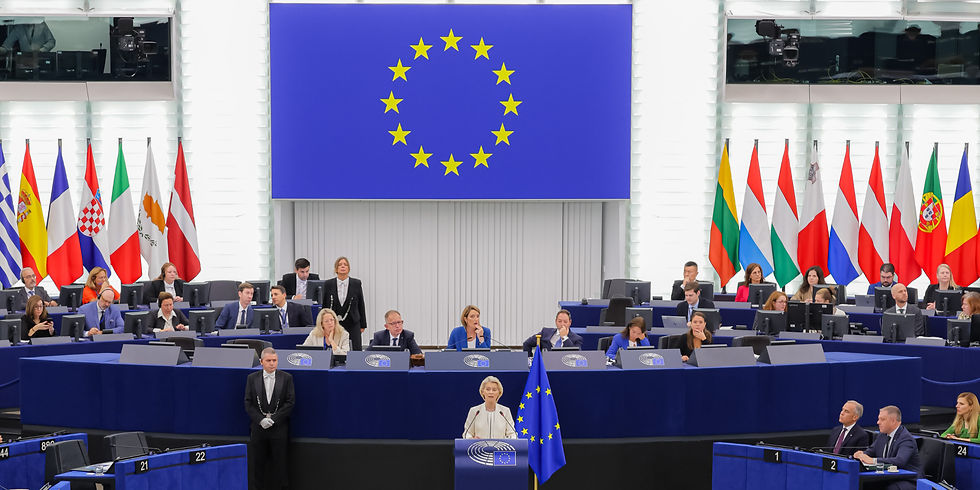
Additionally, on 10 June 2026, Food Supplements Europe organised an event at the European Parliament to mark the 24th anniversary of the Food Supplements Directive, titled “Proven Over Time: When EU Policy Delivers for People – The Food Supplements Directive.” Hosted by MEP Kristian Vigenin, the event brought together policymakers, regulators, scientists, consumer representatives, and industry stakeholders to reflect on the Directive's impact over the past 24 years, discuss its continued relevance, and explore the role of food supplements in supporting the EU's wider public health objectives. A particular highlight of the event was MEP Vigenin's proposal to designate 10 June as European Food Supplements Day.
Looking Ahead
Although no legislative proposal has yet been published, these developments suggest that the European Commission is considering the future regulation of food supplements, particularly substances other than vitamins and minerals. Any future harmonisation could reduce the current differences between national rules, improve legal certainty for businesses and strengthen consumer protection across the EU.